
Porch notes
- The Metropolitan Historic Zoning Commission is a nine-member board that reviews exterior work on properties inside historic overlays.
- In neighborhood conservation overlays, new construction, additions, demolition and relocation are reviewed; historic preservation overlays such as Edgefield and Germantown review more.
- Listing in the National Register of Historic Places alone does not restrict what owners can do, the Edgefield guidelines explain; local overlays do.
Walk down a street of Victorian cottages in East Nashville or 1920s bungalows near Belmont and there is a good chance you are inside a historic overlay. For buyers, that matters as much as the floor plan. An overlay does not stop you from living in or updating a house, but it does mean that some exterior changes need approval. Knowing the rules before you buy saves money and frustration.
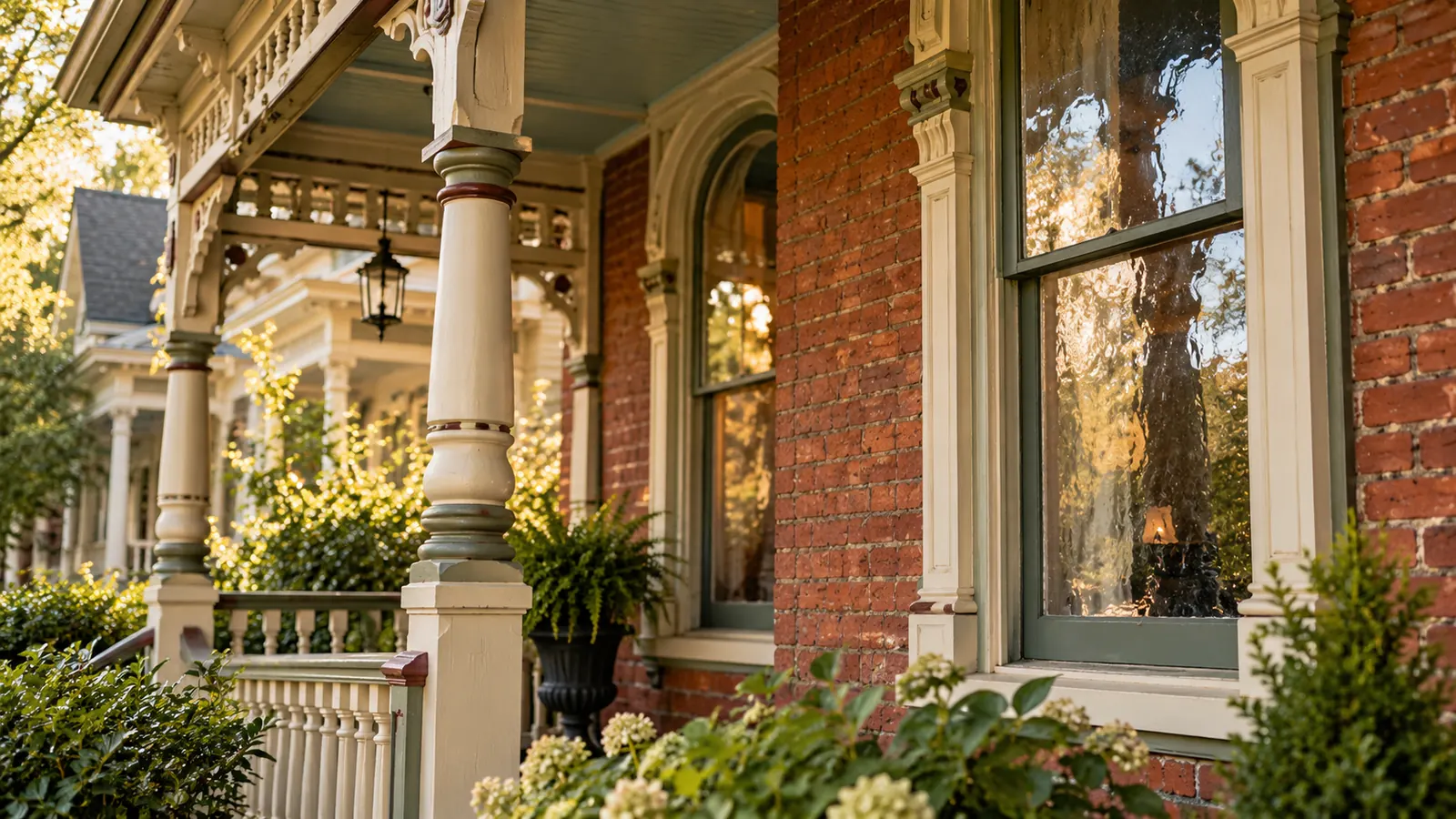
Who reviews the work
The Metropolitan Historic Zoning Commission is an architectural review board. Its nine volunteer members are appointed by the mayor and confirmed by the Metro Council, and they include representatives of the zoning districts, the Metropolitan Planning Commission and the Metropolitan Historical Commission, along with architects and other residents. Because it acts in a quasi-judicial role, members do not discuss specific cases outside public hearings. Its staff now sits within the Planning Department.
An overlay sits on top of zoning
Metro describes historic zoning as an overlay because it lies over the base zoning. It does not change how a property can be used. It adds a design review process to protect the area’s character. Metro lists several types:
- Historic Preservation Zoning Overlay (HPZO)
- Neighborhood Conservation Zoning Overlay (NCZO)
- Historic Landmark, Historic Landmark-Interior and Historic Landmark-Signage
- Historic Bed and Breakfast
Conservation versus preservation
The difference between the two most common types is how much is reviewed. In a neighborhood conservation overlay, Metro’s guidelines say certain exterior work is reviewed: new construction, additions, demolition and relocation. A historic preservation overlay reviews a wider range of exterior work, which is why it is the stricter of the two.
Which neighborhoods are covered
The commission publishes design guidelines for each group of districts. A selection:
| Overlay type | Districts named by Metro (selection) |
|---|---|
| Historic Preservation (HPZO) | Edgefield, Germantown, Broadway, Downtown, Second Avenue, Marathon Village, Tanglewood, Woodland-in-Waverly |
| Conservation, turn-of-the-20th-century | Lockeland Springs-East End, Eastwood, Inglewood Place, Edgehill, Salemtown, Waverly-Belmont, Richland-West End, Cherokee Park, Woodlawn West and others |
| Conservation, other | Belmont-Hillsboro, Hillsboro-West End, and a set of mid-century districts |
Edgefield was the first. Its guidelines record that residents persuaded the Metro Council to make it Nashville’s first historic zoning district in May 1978, the year after it became the first residential district in the city listed in the National Register of Historic Places.
National Register is not the same thing
Buyers often confuse the two. The Edgefield guidelines explain that listing in the National Register of Historic Places, a federal program, has no effect on what an owner can do with a property, except when federal money is involved. It is an honor. The local historic overlay is what carries design review. The two can have different boundaries even in the same neighborhood.
What it means for a buyer
Projects that need review
- Additions, especially rear and second-story additions.
- New houses on vacant lots or after a demolition.
- Demolition of a building, or moving one.
- In preservation overlays, a wider range of exterior changes, as set out in each district’s design guidelines.
Apart from the few buildings designated as landmark interiors, the overlays deal with the outside of buildings, so a new kitchen or bathroom is a separate matter of ordinary building permits. Check the guidelines for the specific district for the details.
How to check a property
Metro points buyers to its Parcel Viewer map, which shows whether a parcel lies in a historic overlay and which type. Read the district’s design guidelines, which describe what can and cannot be approved. For a house you plan to expand, ask the commission’s staff before you make an offer. The commission recommends talking to staff before starting any project.
Tip: If you are counting on adding a second story or a detached unit to make the numbers work, get an informal opinion from historic zoning staff first. A design that suits the street can usually be found, but not always the one you imagined.
Why owners choose overlays
Overlays are not imposed by the government in Nashville. Metro stresses that seeking a historic overlay is a process driven by property owners, who decide that design review has value for them. The Germantown guidelines list the reasons residents cite: stable property values, more control over development in the neighborhood and support for heritage tourism. For buyers, that is the trade: fewer surprises next door in exchange for less freedom with your own exterior.
Where to read more
Neighborhood guides on this site cover the overlays in more detail: Buying a Home in East Nashville: Edgefield, Lockeland Springs and Shelby Park for Edgefield and Lockeland Springs, Buying a Home in Germantown: Nashville’s Revived 19th-Century Neighborhood for the Germantown preservation district and Buying a Home in 12South: Sevier Park, Streetcar Suburbs and Infill for the conservation districts nearby.